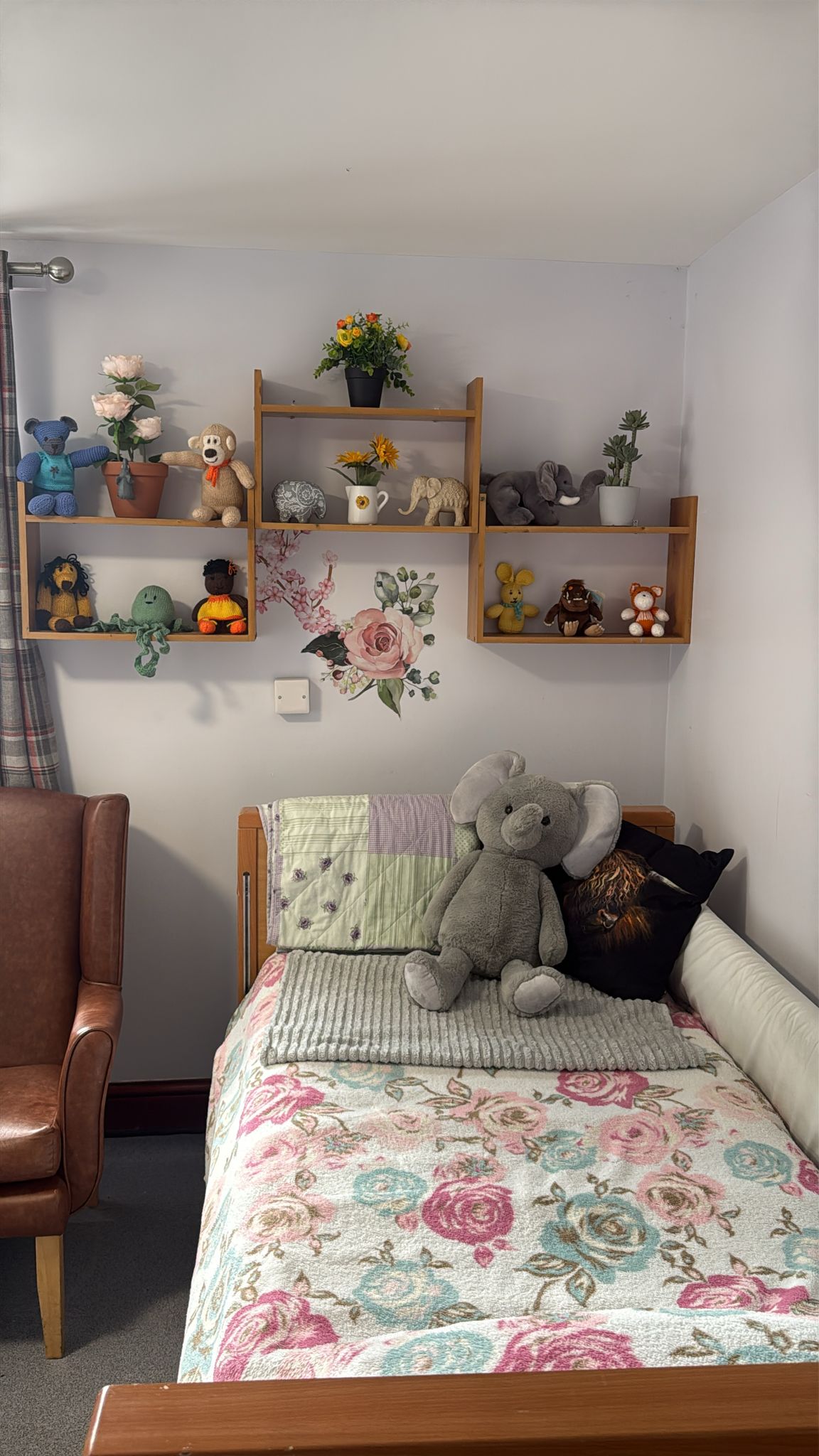


A fundraiser does not need to be grand to feel meaningful. An afternoon tea, a sponsored stroll or a table of home-grown plants can connect neighbours and support a cause—provided the purpose is clear and the activity is planned with care.
01 · AGREE THE PURPOSE
One clear reason
to take part.
Speak to the organisation first and agree what would be genuinely useful. It might be a residents’ activity, a garden project or a community outing. Confirm who will receive the money and the approved way to pass it on.
Tell supporters what the fundraiser is for, whether any costs or platform fees will be taken and what will happen if the total is higher or lower than the target. Avoid promises such as “every penny” unless that is strictly true.
02 · CHOOSE AN INCLUSIVE IDEA
Make taking part
feel easy.
- Afternoon tea: invite neighbours to share tea, cake and conversation in an accessible venue.
- Sponsored stroll: choose a safe route with different distances or a seated alternative.
- Plant, craft or book table: ask the community to contribute good-quality items and label prices clearly.
- Music or story afternoon: bring generations together around familiar songs, local memories or readings.
Make participation optional, keep the language respectful and plan for seating, toilets, access, quiet space and weather. A simple written risk assessment helps everyone understand their role.
03 · HANDLE MONEY OPENLY
Trust grows from
clear details.
Use the receiving organisation’s approved donation route where possible. Label collection boxes, keep cash secure, record what is received and bank or transfer it promptly. Do not use a volunteer’s personal account.
Collection rules depend on the setting. Get the owner’s permission on private property; street or door-to-door collecting in England and Wales can require a local authority licence.
04 · SHARE STORIES WITH CARE
Dignity belongs in
every message.
Use photographs or personal stories only with clear, informed permission for the exact use. A person should be able to say no without pressure. Check who owns the image as well as whether the people shown have agreed.
Avoid guilt, shock or language that makes older people seem helpless. Show the purpose honestly and invite people to be part of something positive.
05 · A WORD ON RAFFLES
Check the rules
before selling tickets.
Raffles and lotteries are regulated. A small raffle held alongside a one-off event may be licence-free if it follows the incidental-lottery rules, but online sales, advance sales or other formats can need registration or a licence. Check the Gambling Commission guidance before including one.
Before you begin: contact the organisation you hope to support and check the rules for your activity and location. Public or door-to-door collections, food, alcohol, trading and raffles can require specific permissions or licences.
FURTHER READING